Updated October 29, 2026
Kimono rental in Japan
Renting a kimono in Japan costs roughly ¥4,000–8,000 including dressing, and the most shops are in Kyoto and Asakusa, Tokyo. Most tourist cities have a few, so you can do it for a day almost anywhere.
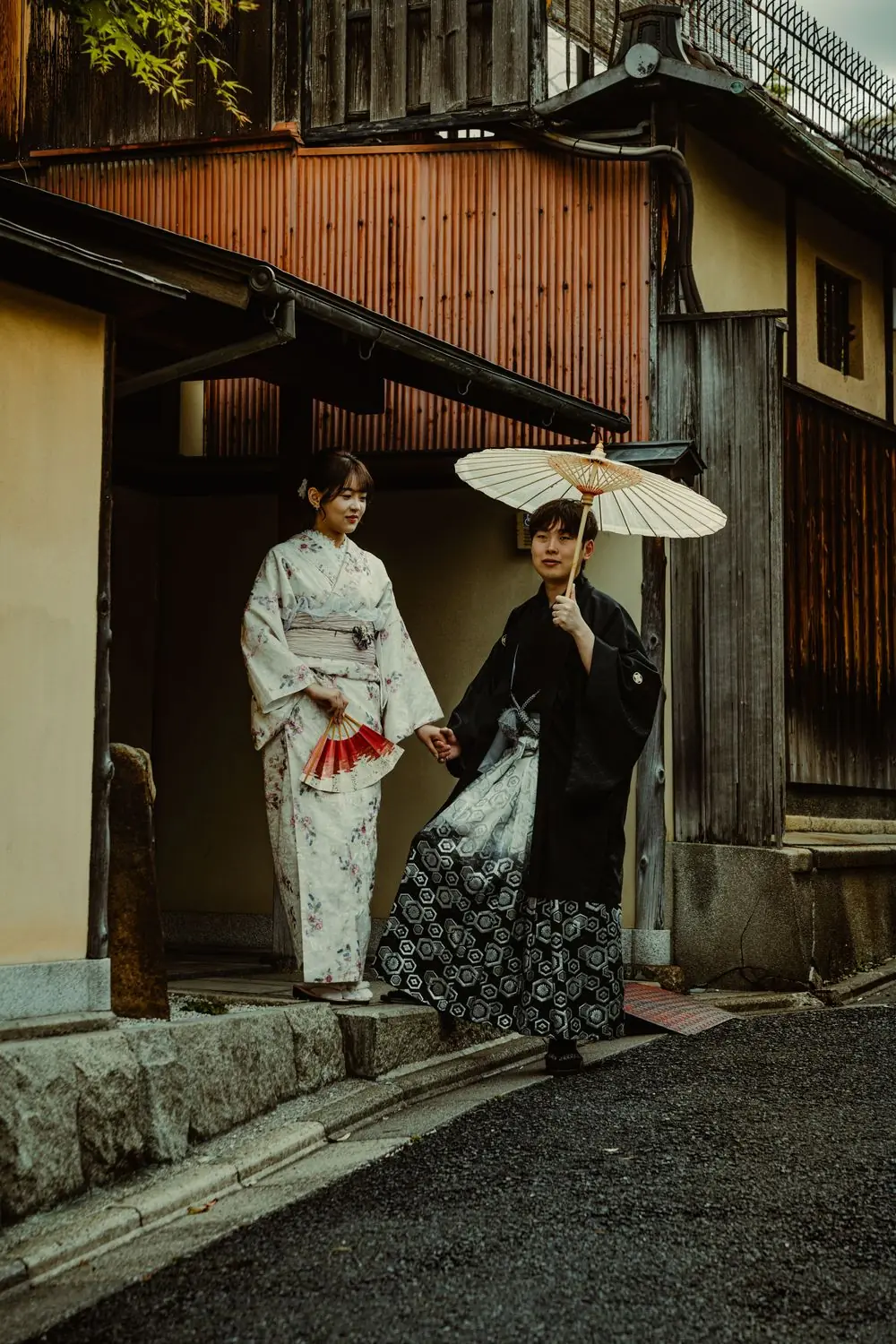
Kimono or yukata?
A kimono is layered, with a stiff obi belt, and you can wear it all year. A yukata is a single layer of light cotton for summer and festivals. Yukata plans are cheaper, quicker to put on, and so much cooler in July and August. A lot of shops only offer yukata from about June to September.
By city
Kyoto
The biggest choice of shops, around Kiyomizu-dera, Gion, Arashiyama and Kyoto Station. Basic plans are about ¥4,000–6,000. Kimono rental in Kyoto
Tokyo (Asakusa)
Shops are bunched around Kaminarimon and Senso-ji. About ¥4,000–8,000 before extras. Kimono rental in Asakusa
Elsewhere
Kamakura, Kanazawa and other old towns have rental shops too. Usually fewer of them, and with earlier return times.
My tip: Visiting in July or August? I'd pick a yukata plan. It's cheaper, quicker to put on and much cooler than a layered kimono.
What a plan usually includes
- Kimono, obi, bag and sandals. The basic set.
- Dressing by staff. 20–40 minutes. You really can't tie the obi yourself.
- Hair styling. Included at some shops, extra at others.
- Locker for your things. Most shops hold your bag while you're out.
Kimono in Japan vs hanbok in Korea
| Typical price | kimono ¥4k–8k · hanbok ₩10k–40k |
|---|---|
| Time to get dressed | kimono 20–40 min · hanbok ~10 min |
| Free entry perk | kimono: some sights, varies · hanbok: Seoul's palaces |
And a little plug for home: hanbok goes on over your clothes in minutes, and it gets you into Seoul's royal palaces with no ticket. Hanbok rental in Seoul
Questions
How much does it cost to rent a kimono in Japan?
Renting a kimono in Japan usually costs about ¥4,000–8,000 per person including dressing, with Kyoto basic plans often around ¥4,000–6,000. Hair styling and next-day return can cost extra.
Is it OK for tourists to wear a kimono in Japan?
Yes. Rental shops exist for visitors, and wearing one to temples and old streets is welcome. Fold the left side over the right; right over left is how the dead are dressed.